

Tyler Gross | September 1, 2025 | Car Accidents
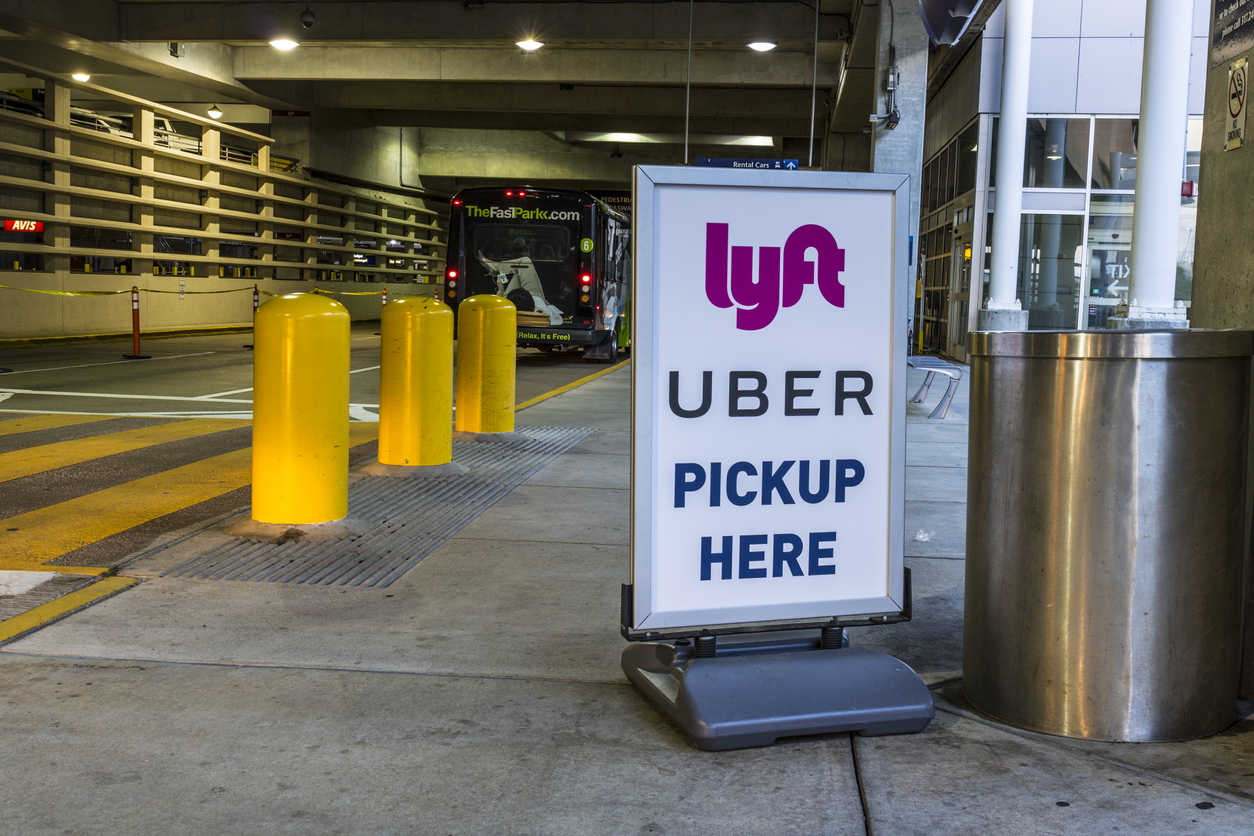
Uber and Lyft have become standard ways for many people to get around, including in Florida. With so many of these vehicles on the road, it’s natural to wonder what it takes to become a driver.
Both companies have strict requirements for the vehicles and the people who drive them. These rules are in place to ensure a certain level of safety and quality for passengers. Understanding these requirements can clarify why these rideshare companies have specific standards.
While some rules are similar across the board, there can be slight differences between Uber and Lyft and variations by city and state.
General Driver Requirements
Before a person can even consider what kind of vehicle they can use, they must meet the driver requirements. These rules are designed to ensure that drivers are responsible and reliable. Both Uber and Lyft require drivers to meet a minimum age, which is typically 21 for Uber in Florida and 25 for Lyft. Drivers must have a valid U.S. driver’s license and a clean driving record.
The most important part of the driver application process is the background check. Both companies thoroughly screen a person’s criminal and driving history.
These background checks look for things like:
- Major driving violations, including driving under the influence (DUI), reckless driving, and hit and runs
- Criminal history that involves felony convictions, violent crimes, and sexual offenses.
- Minor traffic offenses, like speeding tickets or traffic accidents, but specifically any patterns of them in a short period
The companies use these screenings to maintain a certain level of safety for their passengers. The checks are not just a one-time event; they are often performed annually to ensure drivers continue to meet the company’s standards.
General Vehicle Requirements
Once a person is approved to drive, their vehicle must meet specific requirements. These rules ensure that all rideshare vehicles are safe and in good condition.
Here are some of the general requirements for both Uber and Lyft vehicles:
- Four doors: The vehicle must have four doors that open independently.
- Passenger capacity: The car must have at least five factory-installed seats, including the driver’s seat. For larger services like UberXL or Lyft XL, the vehicle must seat at least seven people.
- Vehicle age: The vehicle must be a certain age or newer. Uber generally requires vehicles to be a 2008 model year or newer in Florida. Lyft’s requirements may vary by city, but are often similar or slightly newer.
- Condition: The vehicle must be in good working condition with no cosmetic damage. This means no large dents, missing parts, or visible rust.
- Clean title: The vehicle must have a clean title. Salvaged, reconstructed, or rebuilt vehicles are not permitted.
- No commercial branding: The car cannot have any commercial branding. For example, taxi markings or company advertisements would be prohibited.
- Functioning features: The vehicle must have working windows, air conditioning, and seat belts for every passenger.
These requirements ensure a safe, consistent experience for passengers, no matter their driver
Insurance Requirements in Florida
Rideshare insurance in Florida is a key issue that sets these vehicles apart from regular cars. Many personal auto insurance policies don’t cover accidents while driving for commercial purposes.
If a driver is in an accident while logged into the app, their personal insurance may not pay for the damages. Because of this, Florida law requires rideshare companies to provide specific insurance coverage.
This coverage is broken down into different “periods” based on the driver’s status:
- Period 0 (app off): When the driver’s app is off, their personal auto insurance is the only coverage in effect.
- Period 1 (app on, no passenger): When the driver is logged into the app and waiting for a ride request, the rideshare company provides a limited amount of liability coverage. Florida requires at least $50,000 in bodily injury per person, $100,000 total per accident, and $25,000 for property damage.
- Periods 2 & 3 (on the way to pick up a passenger & passenger in the vehicle): The coverage is the same when a driver accepts a ride request and is on their way to pick up the passenger and when they have the passenger in the car. At this point, the rideshare company’s full commercial insurance policy takes effect. This policy provides a minimum of $1 million in liability coverage. It also provides other benefits, like uninsured motorist coverage.
Understanding this is important because a rideshare accident can involve multiple insurance policies. It’s what makes the claim process more complicated in these cases.
The Importance of Following Requirements
The requirements for drivers and vehicles protect everyone on the road. When drivers and vehicles meet these standards, it can reduce the risk of accidents. It also ensures rideshare accident victims have access to the proper insurance coverage.
However, accidents can still happen, even when all the rules are followed. For example, a driver may be fatigued or distracted, or another driver on the road may cause the crash.
Comprehending the complex insurance rules is essential in these situations. An injured person must understand which insurance policy applies to their case. This knowledge can be the difference between a small settlement and a large one.
Contact Our Car Accident Law Firm in North Florida
If you’ve been injured in an accident, please contact our experienced car accident lawyers in Florida at Gross & Schuster Injury Lawyers to schedule a free consultation today. We have five convenient locations in Pensacola, Navarre, Crestview, Milton, and Mary Esther.
Gross & Schuster Injury Lawyers – Pensacola Office
803 N Palafox St
Pensacola, FL 32501
Phone: (850) 434-3333
Gross & Schuster Injury Lawyers – Navarre Office
9933 Navarre Pkwy
Navarre, FL 32566
Phone: (850) 757-2898
Gross & Schuster Injury Lawyers – Crestview Office
1501 S Ferdon Blvd
Crestview, FL 32536
Phone: (850) 407-7726
Gross & Schuster Injury Lawyers – Milton Office
6373 US-90
Milton, FL 32570
Phone: (850) 790-7790
Gross & Schuster Injury Lawyers – Mary Esther Office
151 Mary Esther Blvd Suite 103A
Mary Esther, FL 32569
Phone: (850) 809-0170
