
Tyler Gross | May 19, 2026 | Personal Injury
A hard fall, car accident, or direct blow to the lower back can lead to a painful injury known as a broken tailbone. Also called a coccyx fracture, this injury can make everyday activities difficult, including sitting, driving, and even sleeping comfortably.
In Pensacola, broken tailbone injuries are common after slip and fall accidents, sports injuries, and vehicle crashes. Understanding the symptoms can help you recognize when medical attention may be necessary and why documenting the injury is important after an accident caused by someone else.
What Is the Tailbone?
The tailbone, or coccyx, sits at the very bottom of the spine. It is made up of several small bones connected near the sacrum and helps support your body while sitting.
Although relatively small, the tailbone plays an important role in balance and movement. Because of its location, it can be vulnerable during accidents involving sudden impact or falls onto a hard surface.
Common Symptoms of a Broken Tailbone
Pain is usually the first and most noticeable sign of a fractured tailbone. The discomfort can range from mild to severe and may worsen with movement or pressure.
If you broke your tailbone, you may feel painful symptoms such as:
- Sharp, localized pain at the base of the spine or between the buttocks.
- Increased pain while sitting or leaning backward
- Bruising or swelling near the base of the spine
- Pain during bowel movements
- Discomfort when standing up from a seated position
- Difficulty sleeping comfortably
In some cases, symptoms may not appear immediately after the accident. What initially feels like soreness or bruising can become more painful over the following days.
How a Broken Tailbone Is Diagnosed
Because tailbone injuries share symptoms with muscle strains and bruising, a medical evaluation is often necessary to confirm a fracture.
A healthcare provider may:
- Perform a physical examination
- Ask questions about how the injury occurred
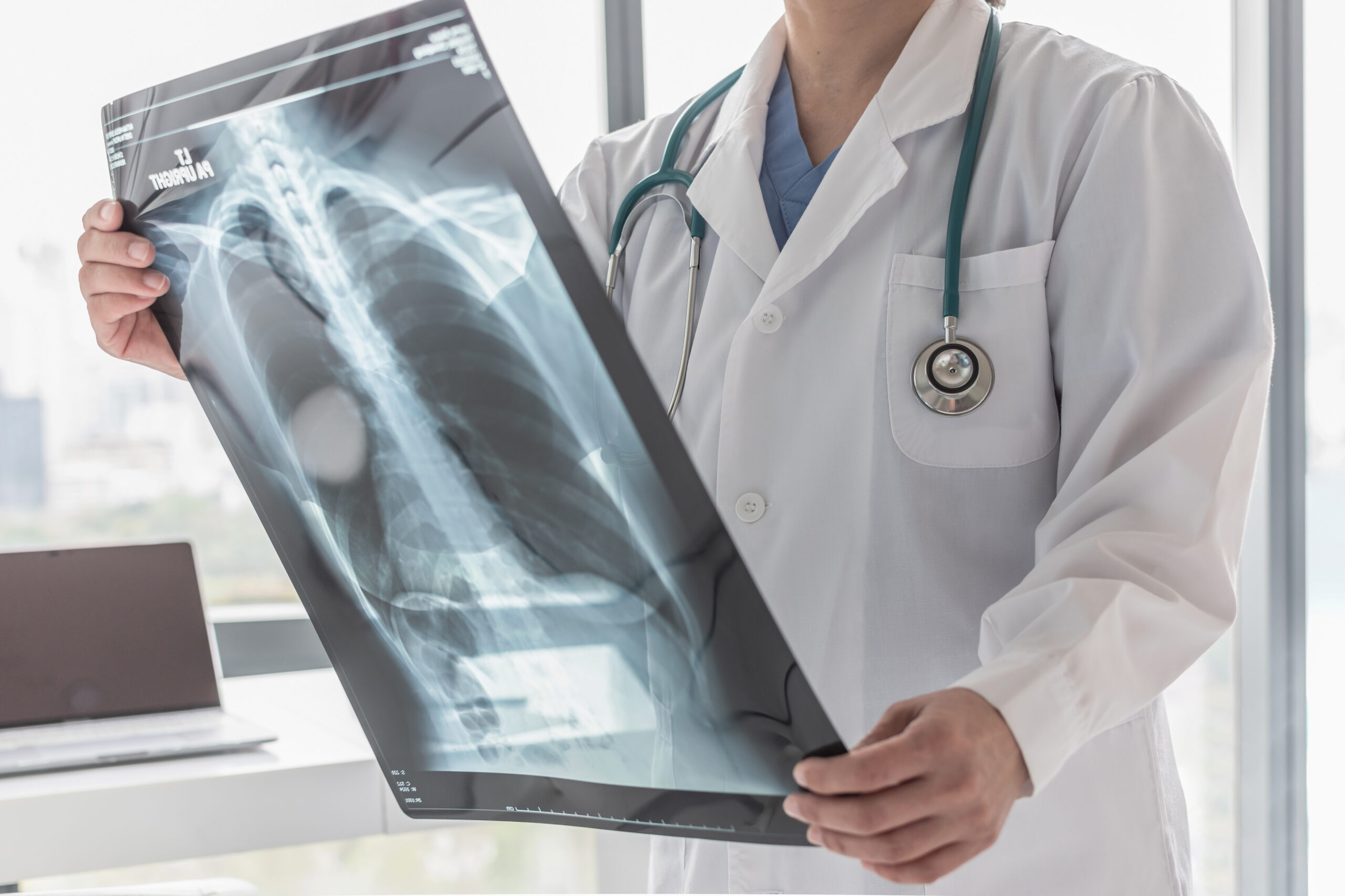
- Order imaging tests such as X-rays or CT scans
- Evaluate your range of motion and pain levels
Getting a diagnosis can also help connect the injury to an accident if you later pursue an insurance claim or legal action.
What Causes Tailbone Fractures?
Broken tailbones frequently happen after sudden trauma to the lower body. Certain accidents increase the likelihood of this type of injury.
Common causes include:
- Slip and fall accidents
- Rear-end car crashes
- Motorcycle accidents
- Sports-related falls or collisions
- Workplace accidents involving falls
Older adults may face a higher risk due to decreased bone density, but tailbone fractures can happen to people of all ages.
How Long Does a Broken Tailbone Take to Heal?
Recovery time depends on the severity of the fracture and the individual’s overall health. While some injuries improve within several weeks, others may cause lingering pain for months.
Treatment often includes:
- Rest and limiting pressure on the tailbone
- Ice packs to reduce swelling
- Pain medication
- Using a cushioned seat or donut pillow
- Physical therapy in some cases
Most broken tailbones heal without surgery, though severe fractures occasionally require additional medical intervention.
When Tailbone Injuries Become More Serious
Some tailbone injuries involve more than temporary discomfort. Severe fractures can interfere with daily life and may lead to chronic pain.
Signs that the injury may be more serious include:
- Numbness or tingling in the legs
- Loss of bladder or bowel control
- Persistent pain that does not improve
- Difficulty walking or standing
These symptoms may indicate damage involving nearby nerves or the lower spine and should be evaluated promptly.
Why Tailbone Injuries Are Sometimes Overlooked After Accidents
Unlike visible injuries such as cuts or broken arms, tailbone fractures are easy to dismiss at first. Many people assume the pain will go away on its own and delay medical care.
This can create problems later because:
- Symptoms may worsen over time
- Insurance companies may question delayed treatment
- Medical records become more limited
- The injury may interfere with work or daily activities longer than expected
Seeking medical attention early helps protect both your health and any future claim related to the accident.
Contact the Pensacola Personal Injury Lawyers at Gross & Schuster Injury Lawyers for Help
A broken tailbone can affect nearly every part of your routine, from sitting at work to getting a full night of sleep. If your injury happened because of someone else’s negligence, you may have the right to seek compensation for medical expenses, lost income, and other damages.
Gross & Schuster Injury Lawyers works with accident victims throughout Pensacola who are dealing with painful injuries and insurance complications. If you’re trying to understand what options may be available after an accident, speaking with a Pensacola personal injury lawyer may help you take the next step forward. Contact us today and get a free consultation. We have five convenient locations in Pensacola, Navarre, Crestview, Milton, and Mary Esther.
Gross & Schuster Injury Lawyers – Pensacola Office
803 N Palafox St
Pensacola, FL 32501
Phone: (850) 434-3333
Gross & Schuster Injury Lawyers – Navarre Office
9933 Navarre Pkwy
Navarre, FL 32566
Phone: (850) 757-2898
Gross & Schuster Injury Lawyers – Crestview Office
1501 S Ferdon Blvd
Crestview, FL 32536
Phone: (850) 407-7726
Gross & Schuster Injury Lawyers – Milton Office
6373 US-90
Milton, FL 32570
Phone: (850) 790-7790
Gross & Schuster Injury Lawyers – Mary Esther Office
151 Mary Esther Blvd Suite 103A
Mary Esther, FL 32569
Phone: (850) 809-0170